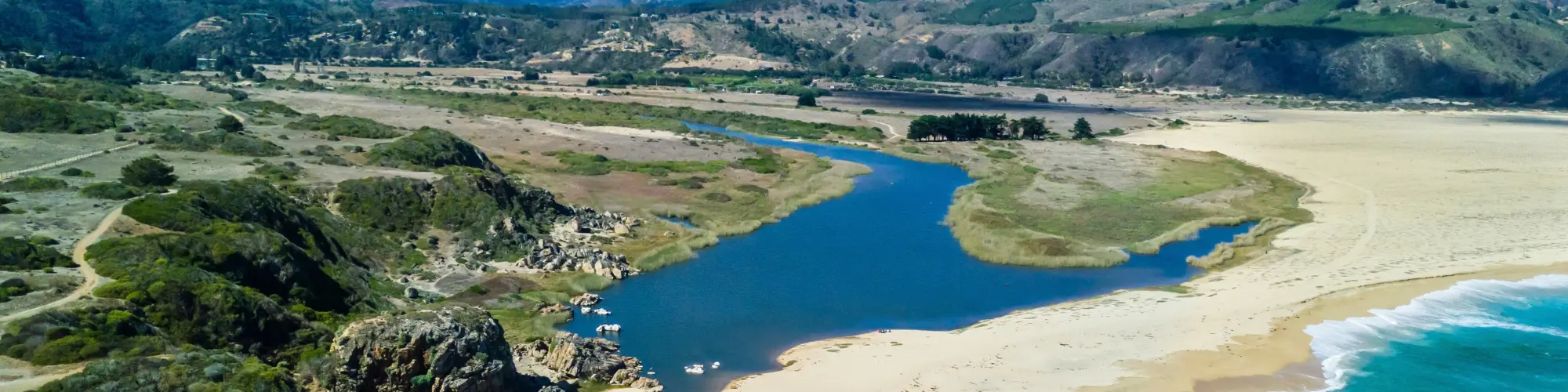
Tunquen
It is where everything began. If it were not for those ten days, we would not be here.

Our story
Long before planting a single vine in Casablanca, our world already revolved around wine.
We are both food engineers, and for years we created projects linked to the sector in Brazil: a wine importing company, a wine shop and a cachaça bar dedicated to artisanal spirits, in Campinas.
The business grew, the teams multiplied and so did the responsibilities.
But along the way, we began to lose what had first drawn us to wine: curiosity, learning and the simple pleasure of sharing a table without watching the clock.
Then we paused.
And a question appeared that we could no longer silence:
Was it possible to live another way?
On one of our trips, we arrived in Tunquen.
We spent ten days away from offices, schedules and urgent calls.
Without looking for it, we recovered something we had forgotten: time.
Time to talk.
Time to cook slowly.
Time to walk in the coastal wind.
Time to think.
When we returned to Brazil, we knew there was no turning back. We had neither a business plan nor land to plant, but we shared one certainty: we were going to seek another way of living.
We did not come to the valley because we wanted to become winegrowers at any cost. We came because this was where the wines we most enjoyed drinking were born: fresh, expressive wines made to accompany food and prolong conversations.
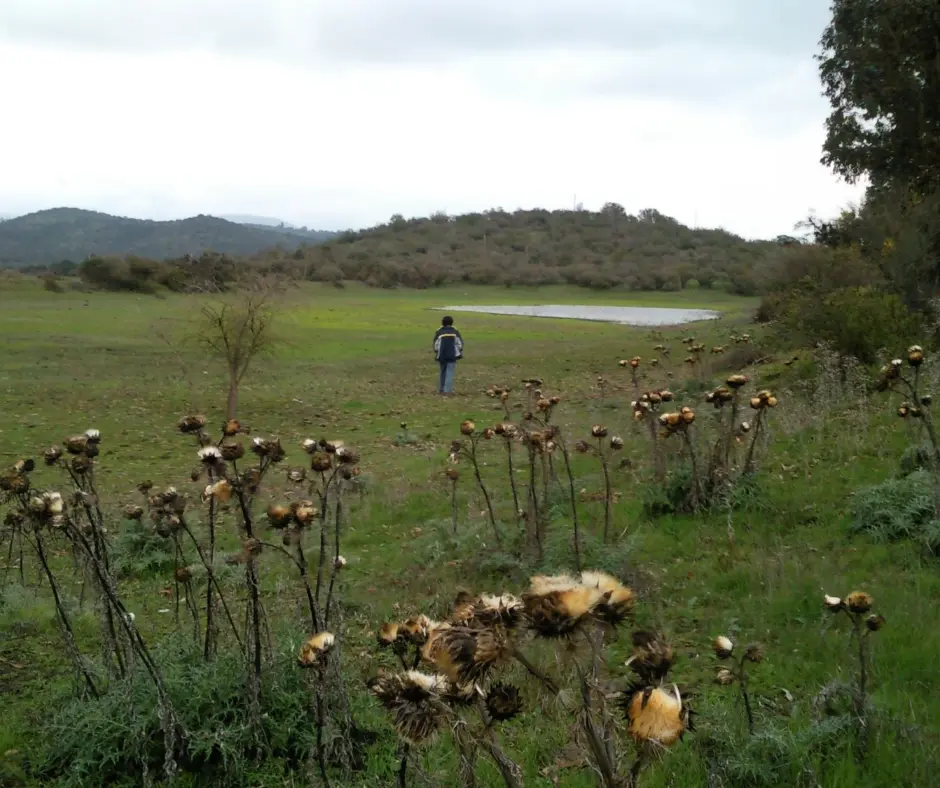
In 2011, we settled in Orrego Arriba.
The property was called El Mirador de Orrego, a natural reference to the only hill overlooking the flat landscape of the Orrego area. From there, one can see further. In time, it would also become possible to imagine further.
We did not inherit century-old vineyards.
We did not inherit a historic winery.
We had no family recipes to please.
We had to build everything from scratch. And that absence of a mould became our greatest advantage: it gave us the absolute freedom to ask questions that others had stopped asking.
Before planting the first vine
Before planting a single vine, there was a more important decision.
Read our manifestoThe curiosity to understand fermentation and distillation processes — something Marcos has carried since university — still shapes many of the experiments we carry out today.
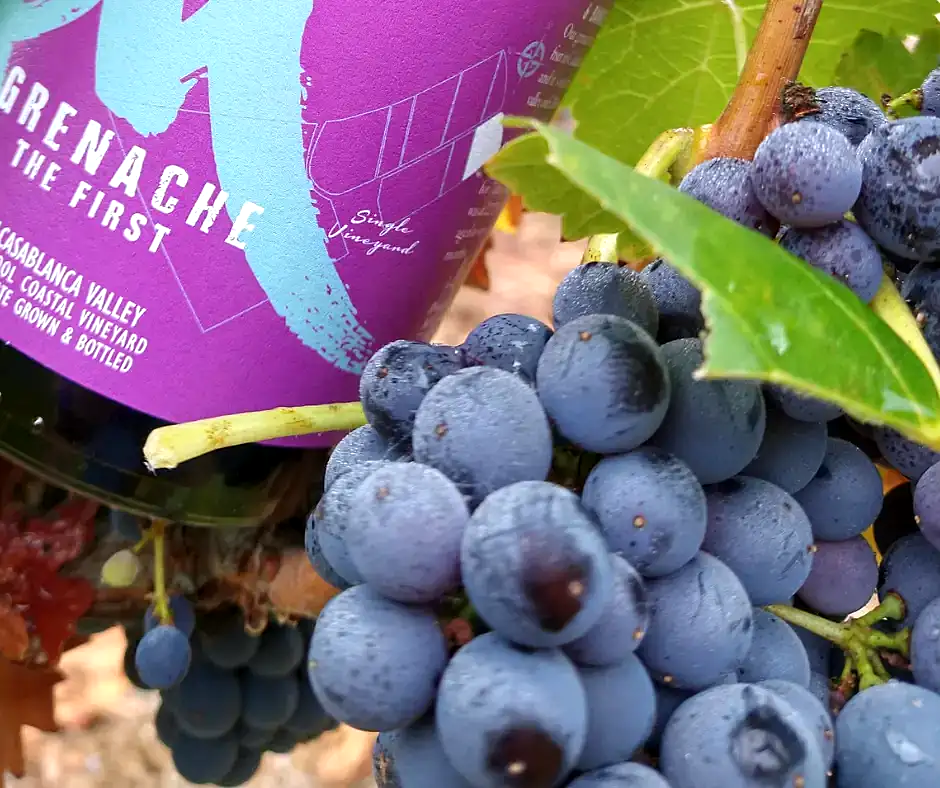
We were told that Casablanca's climate was not suited to Mediterranean varieties. We planted it because we were drawn to its personality. It was the first Grenache in the valley.
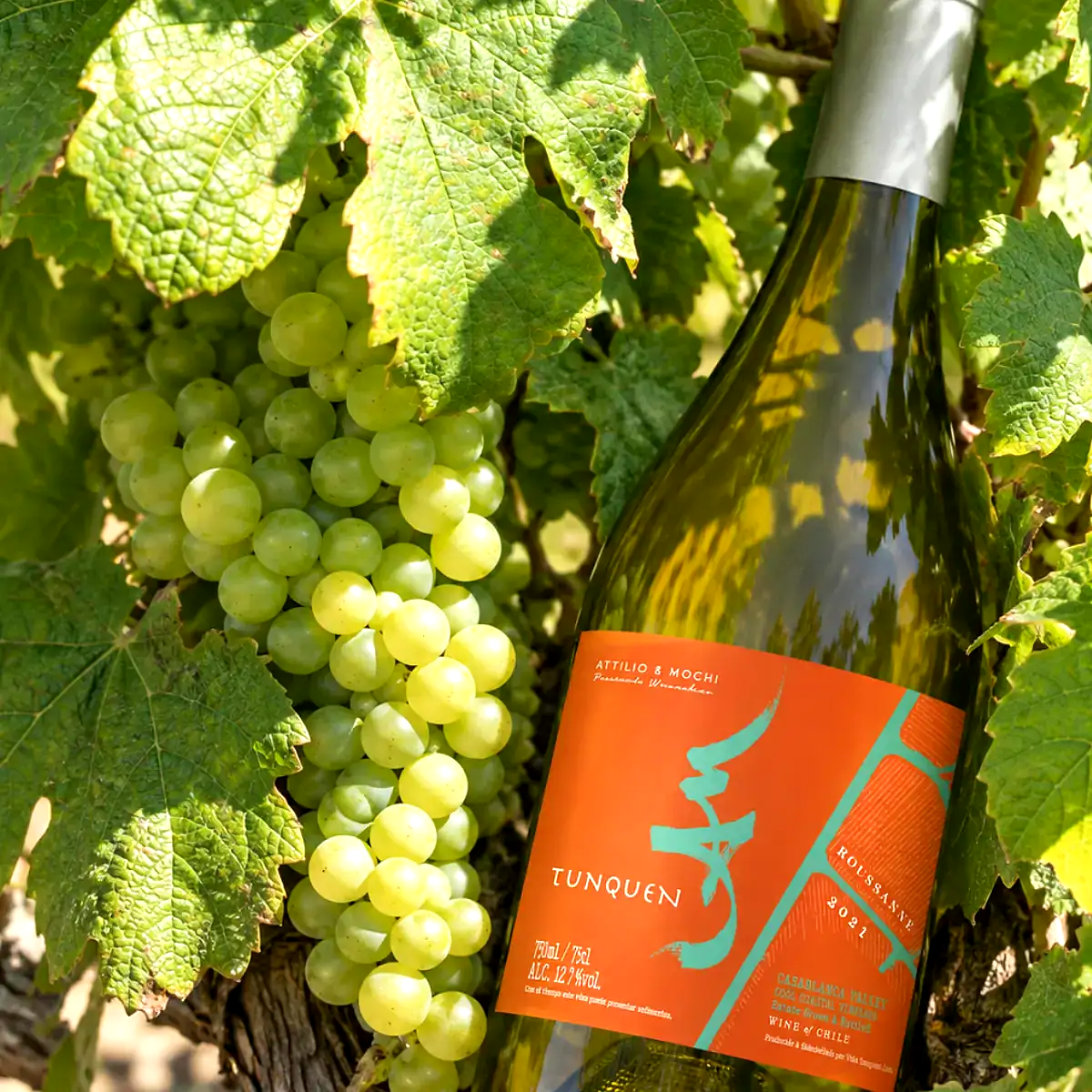
A legendary white variety from the Rhône, virtually unheard of in our country. We planted it for a very simple reason: Marcos always wanted to know how it would express itself in Casablanca.
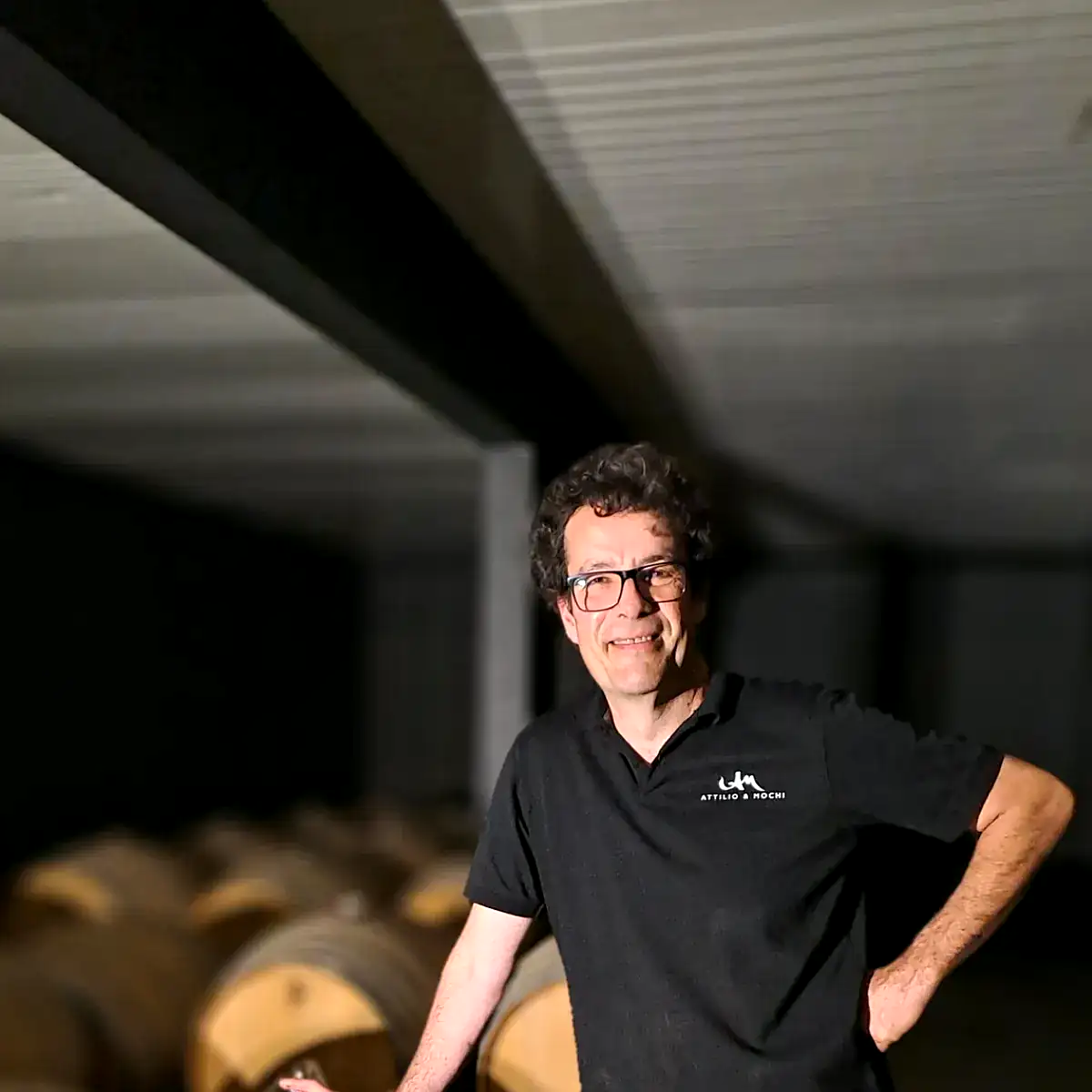
Marcos in the barrel room at Attilio & Mochi. The winery was built by reusing refrigerated containers, taking advantage of their natural ability to keep a stable temperature.
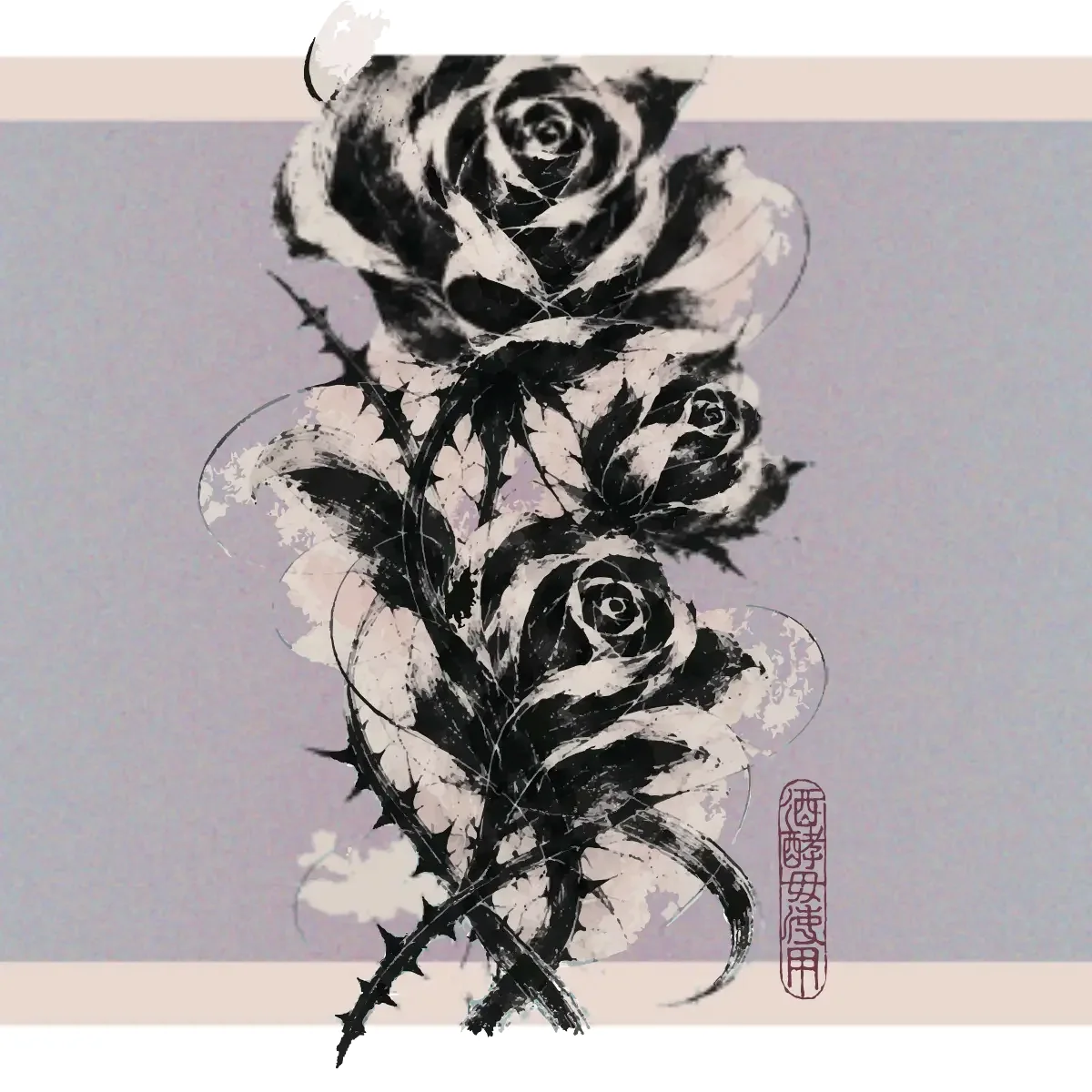
Night Rosé was born from a collaboration with Grape Fox, our importer in Japan. A Casablanca rosé fermented with sake yeast, the fruit of a curiosity shared between four cultures.
We do not seek to be different for its own sake. We seek to understand whether there is a better way.
Over the years, the inevitable question arrived: how far should we grow?
In time, we understood that we did not want to build a company where everything happened far from the vineyard.
We prefer a scale that allows us to remain involved in every stage: from pruning and harvest to the visits we welcome each week.
Our days continue to be shaped by the seasons, work in the fields and the dogs who accompany us between the rows from early in the morning.
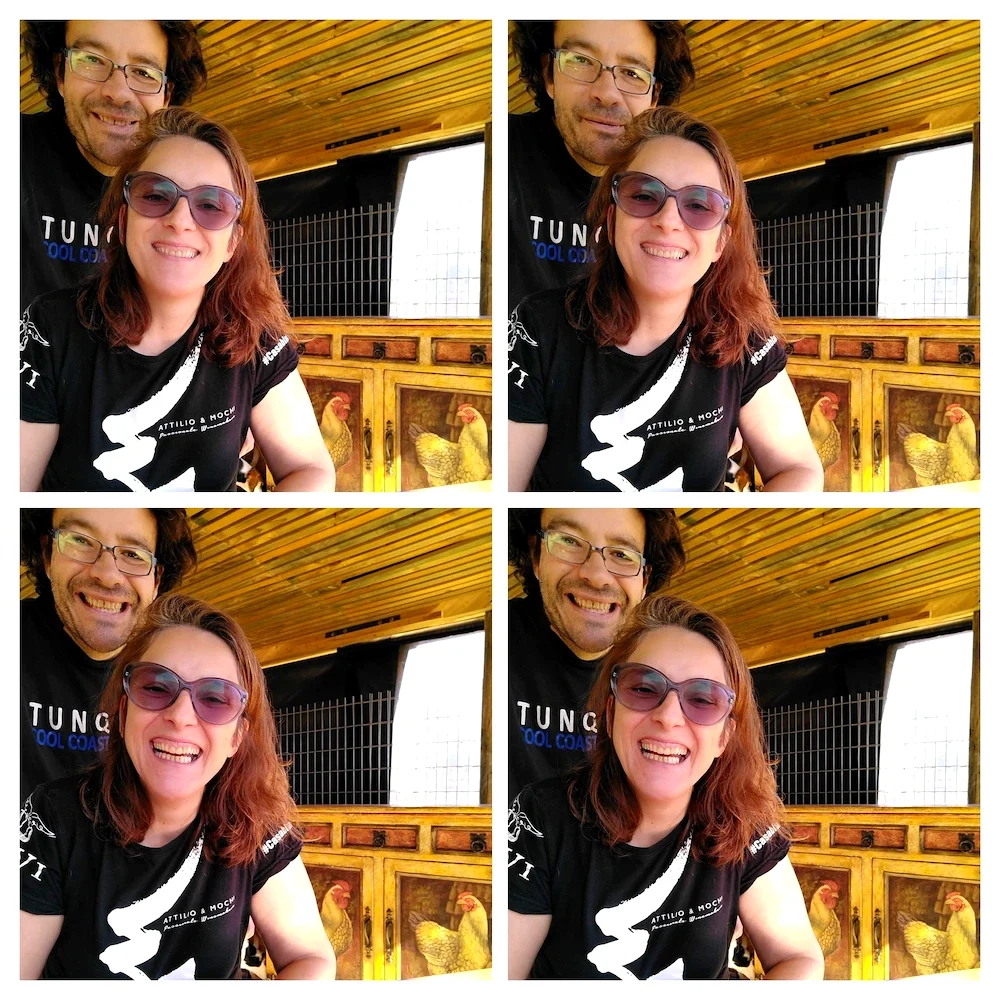
We do not seek to turn every bottle into an autobiography. But many are born from places, encounters and moments that left a mark.
It is where everything began. If it were not for those ten days, we would not be here.
Sucre takes its name from a street in Buenos Aires. A dinner, a conversation that went on longer than expected and a night we still remember years later.
It means "moment" in Italian. It also joins our names: ATTIlio and MOchi. A wine that reminds us that life is made of moments that deserve to be lived fully.
Attilio & Mochi was born from a life decision. The vineyard came later. And even today, we keep asking ourselves the same question that brought us here: is there a better way to do things?
Get new wines, vineyard experiments and projects before anyone else.
No spam. We don't share your data with anyone. We only write when we have something interesting to tell.